
Constipation Danger Signs: When It Becomes Dangerous
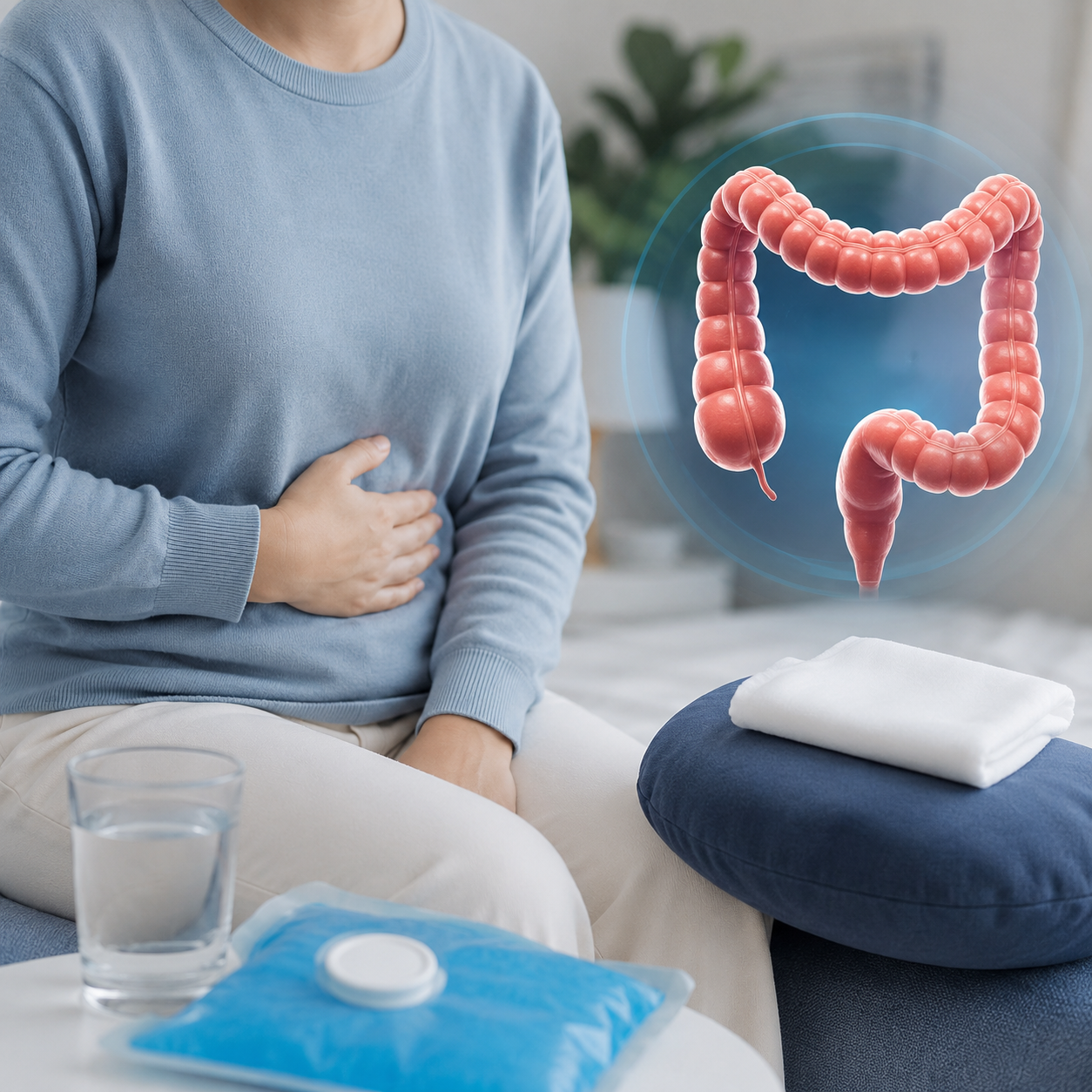
Constipation danger signs often appear when stool remains in the colon too long and becomes hard, dry, and difficult to pass. While occasional constipation is common, severe pain, vomiting, bleeding, abdominal swelling, or an inability to pass stool or gas may signal a blockage, fecal impaction, or another complication that needs prompt medical attention.
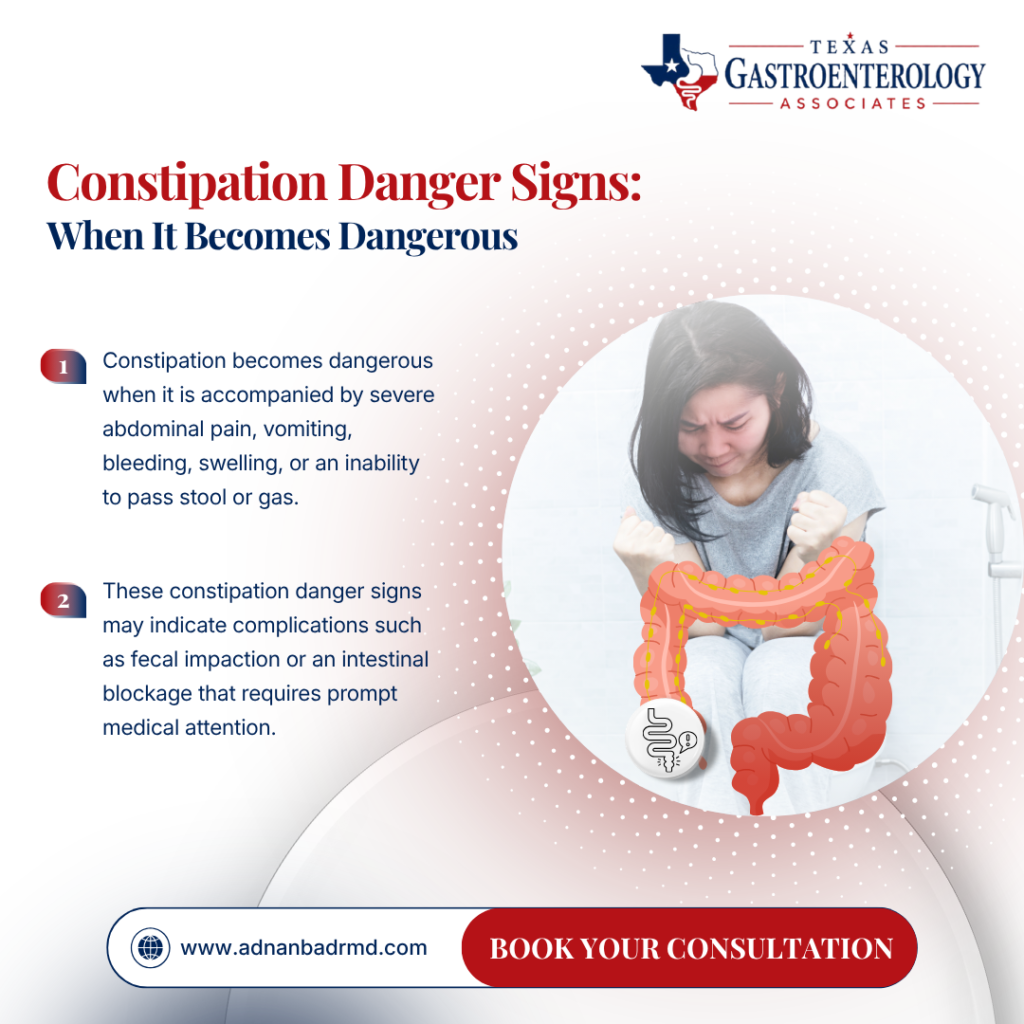
Normal bowel movement patterns differ widely from person to person. Some people go three times a day, others three times a week. You are constipated when you have fewer than three bowel movements each week. You may also deal with hard, lumpy stools or painful bowel movements. Constipation becomes serious when constipation danger signs start to appear.
Common causes are easy to spot. Most Americans eat only 15 grams of fiber each day instead of the recommended 25 to 35 grams. Not drinking enough water and moving too little also play a role. Ignoring the need to use the bathroom makes it worse.
Some medicines, especially opioid painkillers, cause constipation in up to 90% of people who take them. Health issues like diabetes, hypothyroidism, and neurological disorders also affect normal bowel movement.
15 Major Constipation Danger Signs You Must Not Ignore
- Severe abdominal pain is your first major warning sign. The pain goes far beyond mild discomfort. When your intestines block, the pain rises to an unbearable level. It often feels sharp, cramping, or like something is tearing inside you. Your body warns that normal digestive pressure has turned dangerous.
- Vomiting that smells like stool signals a full or near-full intestinal blockage. Waste cannot move forward, so it pushes backward instead. Get emergency care right away for this symptom. Your intestinal waste is backing up into your stomach. This means a possible bowel obstruction that can become deadly within hours.
- Total inability to pass gas with no bowel movements means your intestines are fully blocked. Gas usually escapes even when you are constipated. When nothing passes, your digestive tract shuts down. This total blockage can make your intestines rupture. That spreads bacteria through your abdomen and leads to life-threatening sepsis.
- Rectal bleeding beyond small streaks from straining means your intestinal tissue is damaged. A little bright red blood can come from hemorrhoids. Dark blood mixed with stool or heavy bleeding means tears in the intestinal wall, ulcers, or even colorectal cancer. Your intestines are breaking down under pressure and backup.
- Sudden severe constipation that appears overnight without reason often signals an intestinal blockage. This can result from tumors, twisted intestines, or severe impaction. When your bowel habits change suddenly within one or two days, especially with other symptoms, something may be blocking your digestive tract.
- Pencil-thin stools that continue over time suggest a partial blockage or pressure on your colon. Tumors, swelling, or narrowing can cause this. The change in shape means something is limiting your bowel’s normal width. Your stool can only move through a small space and this point to a serious structural problem.
- Unplanned weight loss with constipation raises concern for cancer. This is more serious if you lose more than ten pounds without effort. Each year, about 150,000 Americans develop colorectal cancer. Sudden bowel changes with unexplained weight loss often appear as early warning constipation danger signs.
- Fever with constipation means an infection. It can result from a burst intestine, severe impaction with bacteria, or appendicitis, showing constipation. Your immune system reacts to something serious. The mix of fever and constipation needs urgent medical care.
- A swollen or firm abdomen that feels hard shows pressure buildup. Your intestines fill up so much that your belly swells. This can lead to a tear in the bowel wall when pressure becomes extreme.
- Confusion or a change in alertness with constipation means toxins have built up in your body and affect your brain. Severe constipation allows waste to stay in your system and enter your blood. This happens more often in older adults and needs hospital care right away.
- A fast heartbeat or trouble breathing means your body is under strain. When constipation becomes this severe, it starts to affect your vital signs. These constipation danger signs show that your heart and lungs work too hard to handle the stress caused by extreme constipation.
- A constant need to pass stool, but being unable to do so, is different from regular constipation, where the feeling fades. This ongoing urge with no results, called tenesmus, suggests rectal growths, serious swelling, or a full blockage that prevents natural relief.
- Loss of appetite combined with nausea beyond a few days indicates your digestive system has essentially shut down. Your body stops wanting food because it cannot process what is already inside. This shutdown state requires medical intervention to restart normal function.
- Lower back pain that worsens with constipation can signal fecal impaction pressing on nerves. It can also mean colon problems spread to surrounding structures. When backed-up stool becomes rock-hard, it creates pressure extending beyond your intestines into your lower back and pelvis.
- Dark or tarry stools when they finally pass indicate bleeding high in your digestive tract. The dark color comes from digested blood. That means somewhere in your stomach or upper intestines is bleeding. This requires immediate investigation to find and stop the bleeding source.
Complications That Develop When You Ignore Warning Constipation danger signs in Frisco / Plano, TX
Fecal impaction is one of the most serious complications. It affects nearly half of nursing home residents. This condition happens when hardened stool gets trapped in your rectum or colon. It forms a solid mass that cannot move out naturally. Only a medical professional can remove it. If you ignore it, bowel perforation can develop.
Bowel perforation creates holes in your intestinal wall. Bacteria and waste then leak into your clean abdominal space. This problem carries a high risk of death even with care. Your best defense is to notice warning signs before the perforation happens.
Rectal prolapse occurs when your rectum slips outside your body due to heavy straining. Long-term constipation causes more than half of all prolapse cases. What starts as straining can end with surgery to fix the damaged tissue.
How Doctors Diagnose Dangerous Constipation in Frisco / Plano, TX
Your doctor begins by reviewing your medical history and performing a physical exam. This includes a digital rectal exam to check for impaction or abnormal growths. Blood tests help find electrolyte problems, anemia, or signs of infection and metabolic conditions that cause constipation in Frisco / Plano, TX.
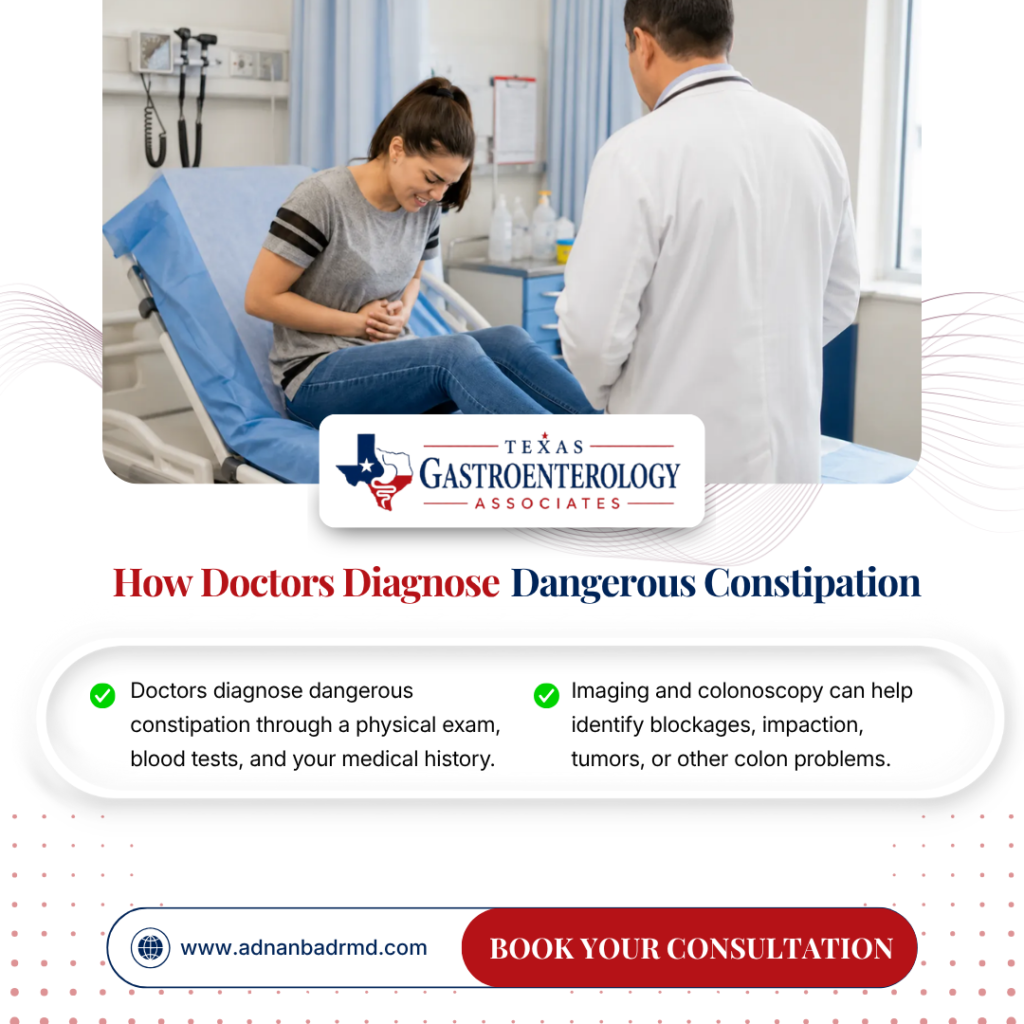
Imaging tests include abdominal X-rays, CT scans, or MRIs. These detect blockages, impactions, or structural problems. A colonoscopy in Frisco / Plano, TX, lets your doctor see inside your colon. It helps find tumors, inflammation, or narrowing of the colon. Other tests, such as anorectal manometry, measure how your pelvic floor muscles work during bowel movements.
When You Must See a Doctor Immediately
Get emergency care right away if you have severe abdominal pain, vomiting, fever, blood in your stool, or cannot pass gas or stool. Do not wait to see if you feel better. Every hour counts when bowel obstruction or perforation is possible.
Make an appointment within a few days if your constipation lasts more than three weeks, even after home care. Do the same if you notice lasting changes in your bowel habits, unexplained weight loss, or constipation that switches with diarrhea. These signs often point to health problems that need a medical diagnosis.
Knowing these constipation warning signs can save your life. Your body speaks through constipation symptoms in Frisco / Plano, TX. Ignoring them causes avoidable problems and needless pain.
Frequently Asked Questions
Can constipation kill you?
Yes, severe constipation can become fatal through complications like bowel perforation, sepsis, or complete obstruction. Death from constipation remains relatively rare. However, it happens when people ignore warning signs and complications develop untreated.
How long is too long to be constipated?
More than three weeks of constipation despite home remedies requires medical evaluation. If you experience any constipation danger signs, seek help immediately, regardless of how long you have been constipated.
What does dangerous constipation feel like?
Dangerous constipation causes severe abdominal pain, not just discomfort. You might experience nausea, vomiting, bloating, and an inability to pass gas. The pain feels different from normal constipation. It is more intense and persistent.
Can you become constipated enough to need emergency care?
Absolutely. Emergency rooms treat over 700,000 constipation cases annually in Frisco / Plano, TX. Complete bowel obstruction, severe impaction, and bowel perforation all require emergency intervention.
How do I know if I have a bowel obstruction?
Complete inability to pass stool or gas, severe cramping pain, vomiting, and abdominal distension indicate a possible obstruction. These symptoms require immediate emergency evaluation.
What medications cause dangerous constipation in Frisco / Plano, TX?
Opioid pain medications cause the most severe constipation, affecting up to 90% of users. Other culprits include certain antidepressants, blood pressure medications, iron supplements, and antacids containing aluminum or calcium.
Can constipation damage your colon permanently?
Yes, chronic severe constipation can damage nerves controlling bowel function. It can permanently stretch your colon and create chronic megacolon. Early constipation treatment in Frisco / Plano, TX, prevents these permanent changes.
Constipation Danger Signs Should Not Be Ignored
Severe abdominal pain, vomiting, rectal bleeding, abdominal swelling, unexplained weight loss, or an inability to pass stool or gas may require prompt medical evaluation. If constipation continues despite home care or your bowel habits have changed unexpectedly, Adnan S. Badr, M.D. can review your symptoms, medications, medical history, and appropriate testing.
Schedule an appointment with Dr. Adnan Badr MD in Frisco / Plano, TX to determine what may be causing your constipation and whether further evaluation is needed.
Call 972-514-3530 or request an appointment today.