Endoscopy Center in Frisco / Plano, TX
An endoscopy center in Frisco / Plano, TX provides minimally invasive procedures used to examine the inside of the digestive tract. It also allows doctors to remove or destroy abnormal tissue or growths and to take biopsies of suspicious areas. The procedure can be used on the esophagus, stomach, small intestine, colon, and rectum.
The most common type of endoscopy is a colonoscopy, which allows doctors to see the entire length of your colon.
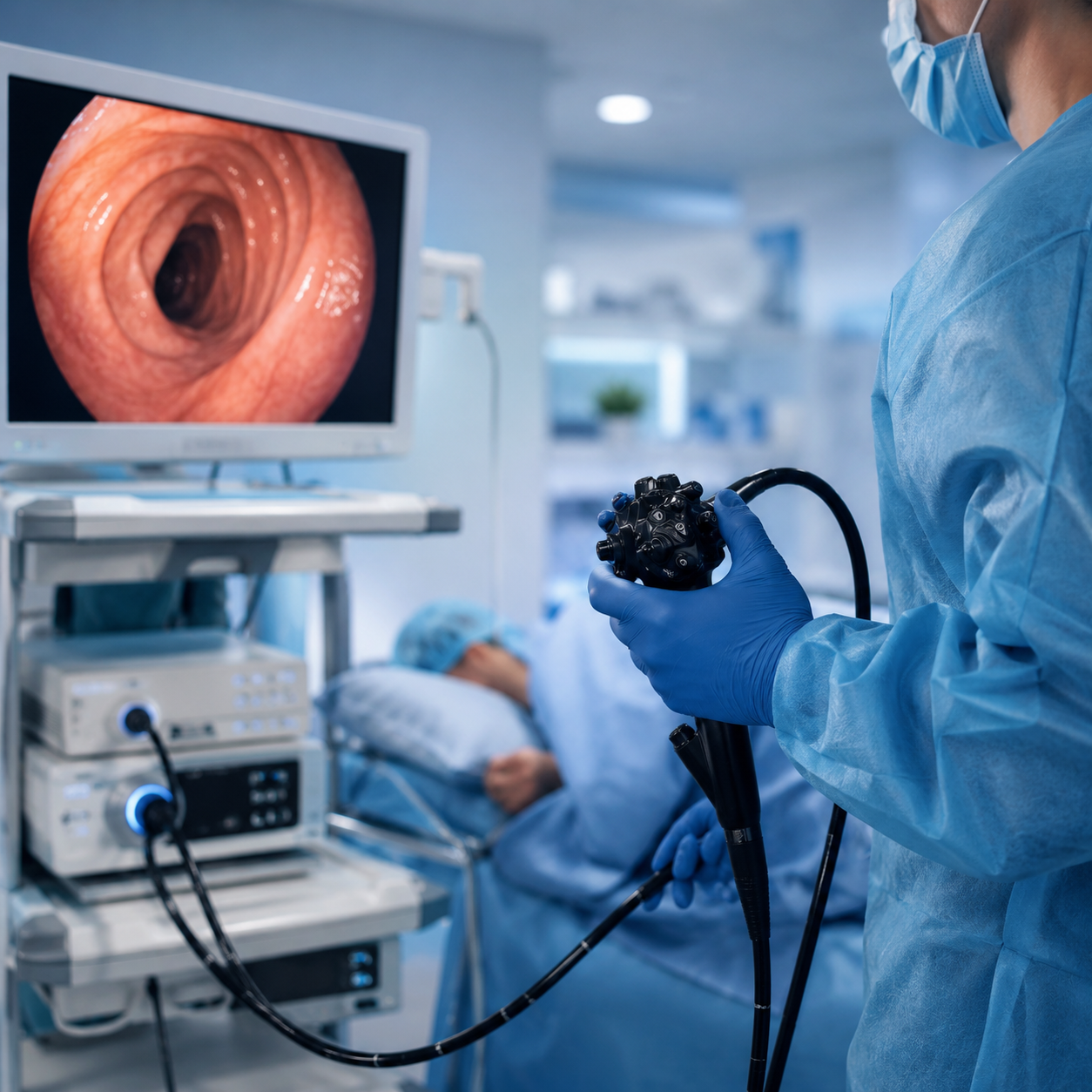
A gastroenterologist performs an endoscopic exam using a thin tube called an endoscope that contains a light and camera on one end and various tools at the other end for collecting tissue samples or removing polyps from inside your digestive tract walls.
Visiting an endoscopy center in Frisco / Plano, TX may help identify digestive abnormalities, collect biopsies, and perform selected treatments during the procedure.
Who should get an endoscopy done?
If you’re undergoing any of the following symptoms, it’s possible that you could be suffering from a digestive problem:
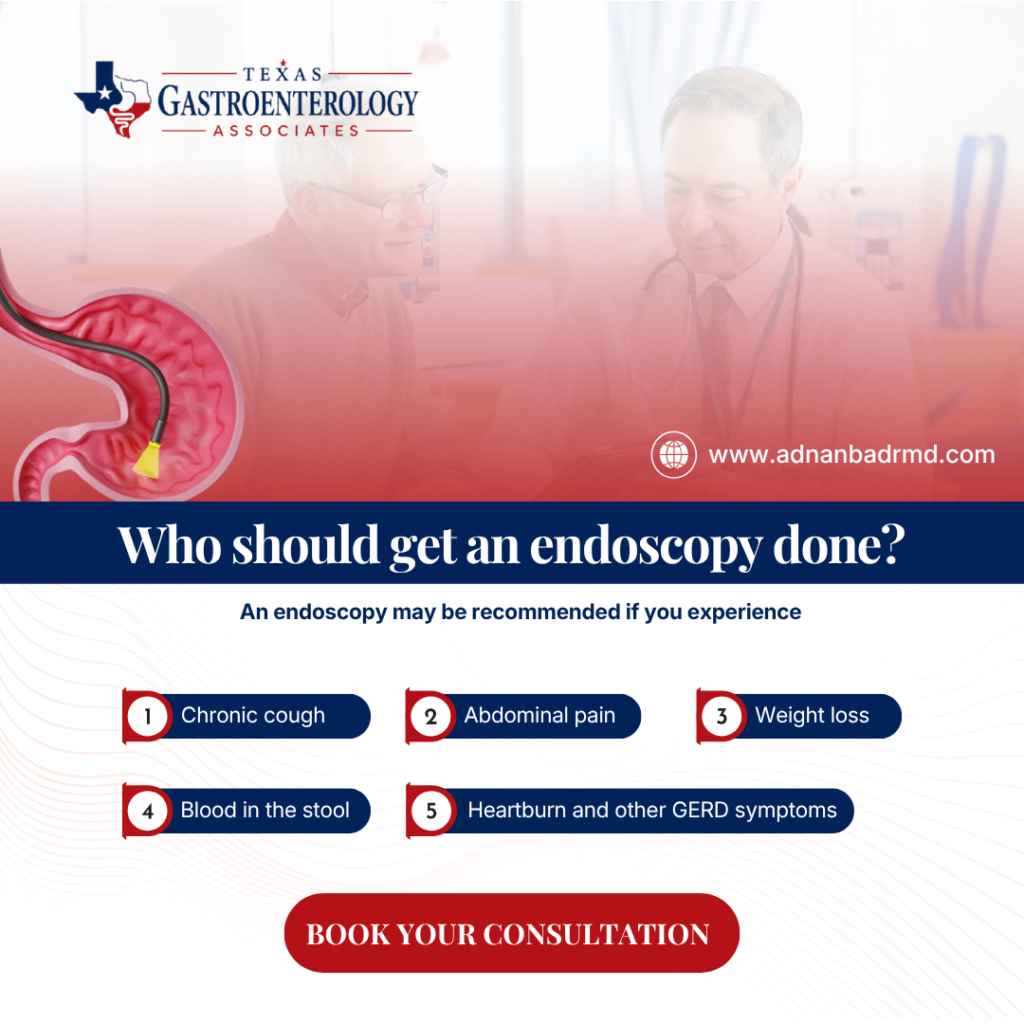
- Chronic cough
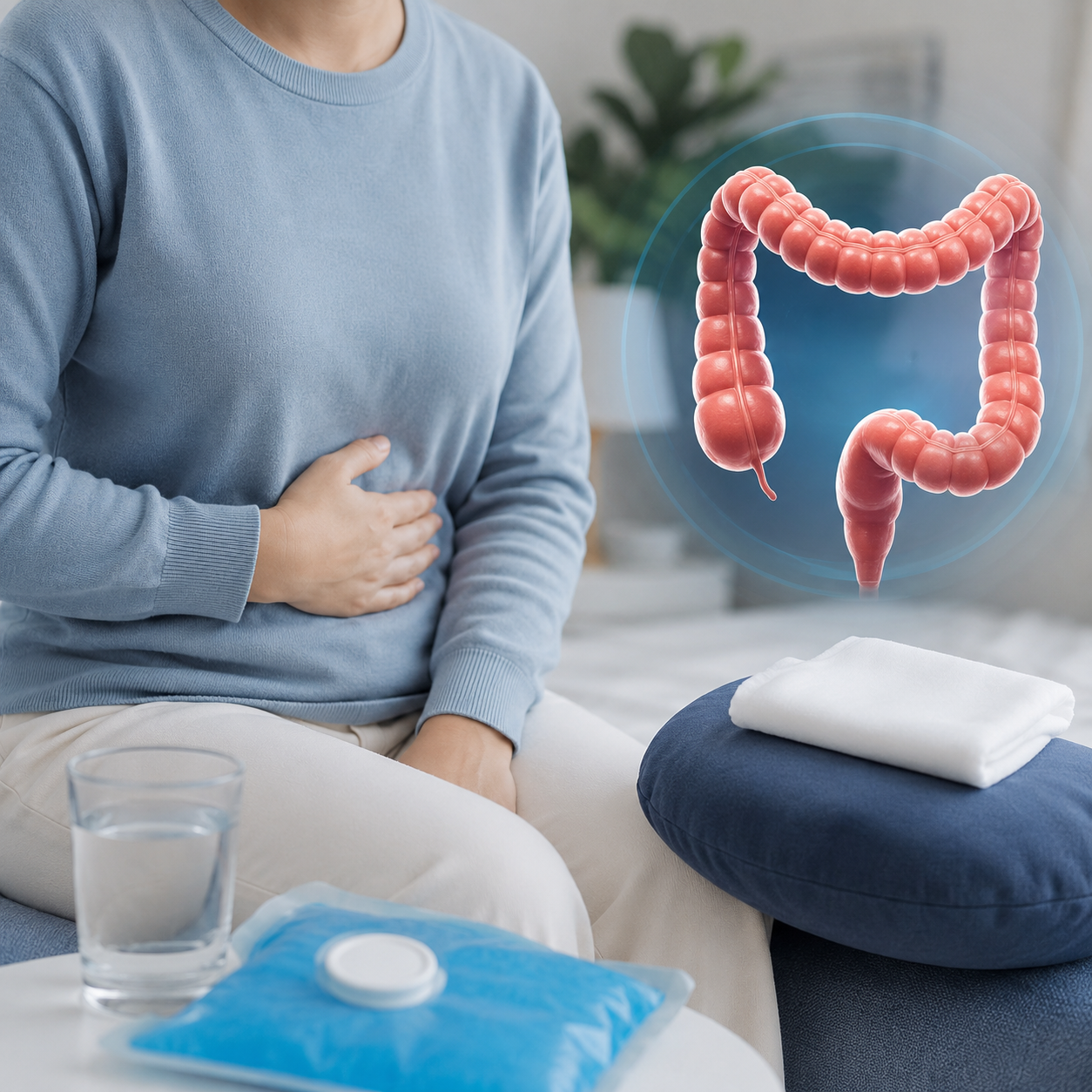
- Abdominal pain
- Weight loss
- Blood in the stool (which may indicate colorectal cancer or ulcerative colitis)
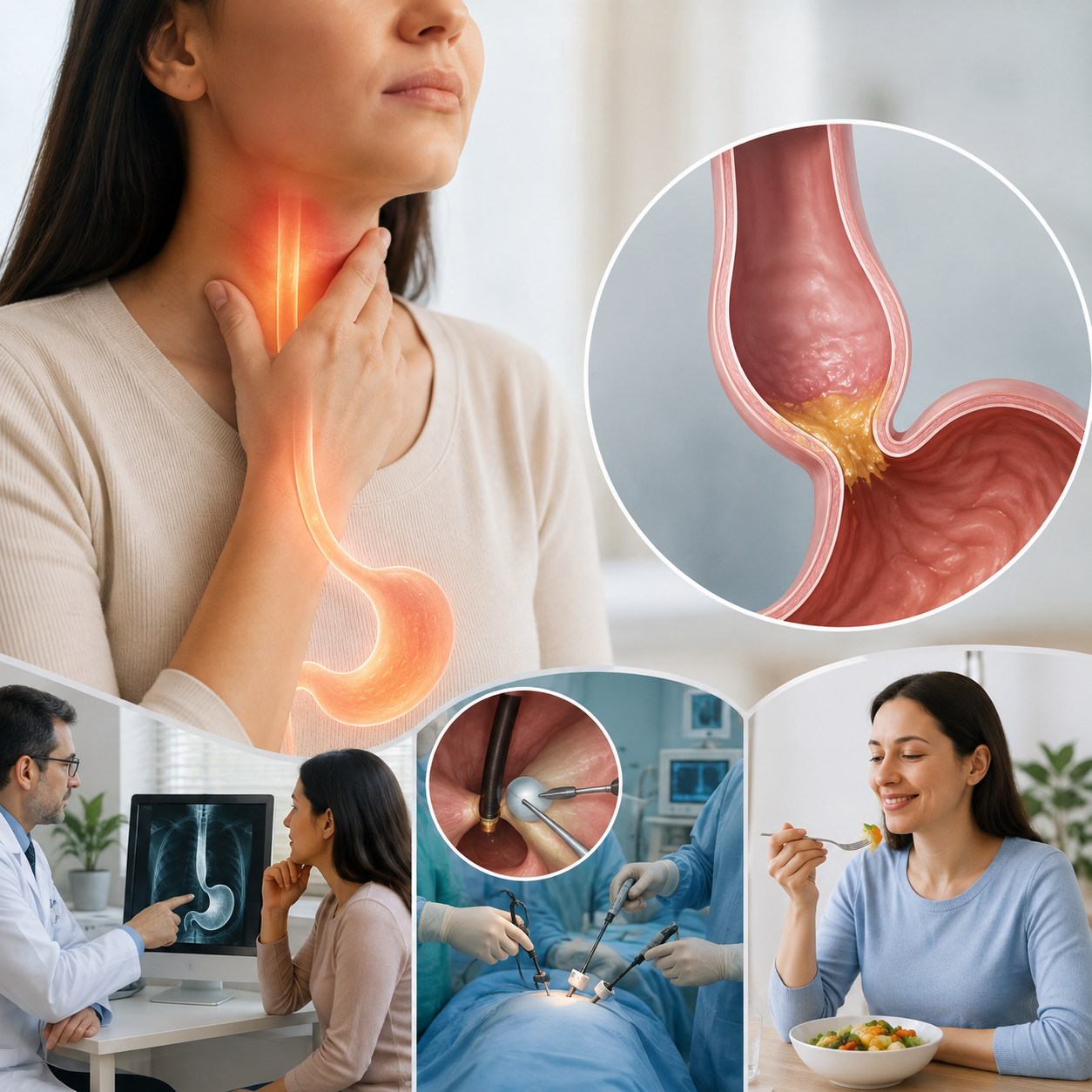
- Heartburn and other gastroesophageal reflux disease (GERD) symptoms such as regurgitation or difficulty swallowing food or liquids. This condition can also cause an acid taste along with heartburn.
Colonoscopy in Frisco / Plano, TX for Colon Cancer Screening
This is a medical procedure in which a long flexible tube with a camera is inserted into the rectum and taken down through the colon and into the beginning of the rectum. The line is connected to a camera that allows the doctor to see inside the colon and check for signs of polyps and cancer.
Colonoscopy is the only procedure to find and remove polyps before they become cancer. Statistics show that nearly 75 percent of colon cancers can be removed if found at an early stage. Colonoscopy screening for colon cancer is recommended for anyone age 50 or older.
When to Have a Colonoscopy in Frisco / Plano, TX
The American Cancer Society (ACS) recommends that adults 50 and older have a colonoscopy every ten years.
The ACS recommends that only adults with a first-degree relative (parent or sibling) who develops colon cancer under age 55 should consider having a colonoscopy sooner.
When Should You Visit an Endoscopy Center in Frisco / Plano, TX?
Many people blindly follow their doctor’s recommendations without questioning them. They go to their gynecologist for their yearly check-up and go through routine procedures because that is what the doctor has requested.
Others who have different health conditions should seek a second opinion from their doctor. For these patients, visiting an endoscopy center in Frisco / Plano, TX may help determine which examination is appropriate. An endoscopy clinic provides complete information on the condition of your digestive and intestinal tract and how it can be improved.
They provide complete information on your digestive system, intestines, urinary system, liver, gall bladder, pancreas, and intestines. They evaluate the results of your tests, treatment, treatment history, medications, and allergies.
According to the FDA website, “The FDA advises those who have a medical condition that may benefit from a colonoscopy or upper endoscopy to consult with their doctor.
Common disorders treated in the Endoscopy center & Colon cancer clinic
Some of the most familiar conditions treated in the clinic are:
- Gastroesophageal reflux disease (GERD),
- Diverticulosis,
- Barrett’s esophagus,
- Peptic ulcers,
- Ulcers,
- Diseases of the pancreas,
- Liver diseases,
- Hepatitis,
- Gallbladder diseases,
- Pancreatitis,
- Gout,
- Liver abscess,
- Bladder stones,
- Stones in kidney,
- Bladder tumors,
- Gallbladder tumors,
- Brain tumors,
- Benign tumors,
- Gastrointestinal bleeding,
- Colon cancer,
- Stomach cancer,
- Rectal cancer,
- Colon polyps.
10 Benefits of an Endoscopy center & Colon cancer center in Frisco / Plano, TX
- An endoscopy center can provide expert care for various gastrointestinal issues. One of the most common procedures is colonoscopy, which inspects the colon and rectum. The procedure has been around for many years and has saved thousands of lives.
- A colon cancer center can offer a multidisciplinary approach to care involving a team of specialists.
- Endoscopy centers are dedicated to providing diagnostic and therapeutic services to patients that have difficulty with other forms of examinations. Some procedures can be used as a diagnostic aid, while others can help with healing.
- An endoscopy center can provide state-of-the-art facilities and equipment.
- Endoscopy centers offer minimally invasive treatment for various gastrointestinal problems. These centers treat conditions from esophageal cancer to stomach ulcers, and their services are becoming increasingly popular among patients across the country.
- Colon cancer is often hard to detect; it is often staged 3 or 4 by the time symptoms appear. Cancer Care’s colon cancer center supports patients through all stages of their treatment.
- It provides a place for colon cancer patients to receive treatment and support.
- One of the essential parts of any cancer treatment is the support the patients and their families receive. A colon cancer center will include a variety of resources to help with this, such as inpatient care, support groups, counseling, and financial assistance.
- The center can offer screenings and education to help prevent the disease.
- The center can provide research and information to help find a cure for colon cancer.
What is the cost of an endoscopy test & Colon cancer screening in Frisco / Plano, TX?
The cost of an endoscopy test in Frisco / Plano, TX, may vary depending on the doctor and the facility. The cost of an endoscopy in Frisco is $1,086.
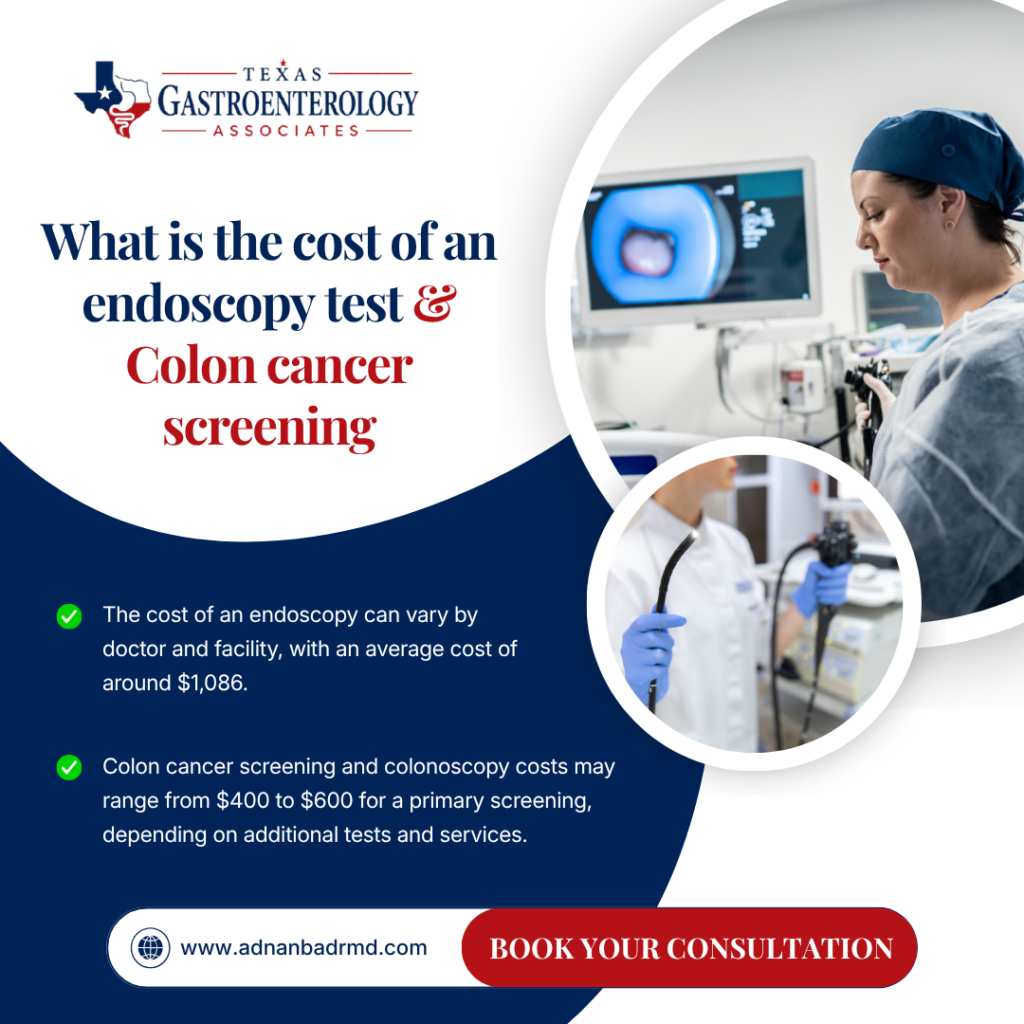
In Frisco / Plano, TX, colonoscopies can be found in many hospitals. The costs can vary. A primary screening can cost $400.00 to $600.00, with the cost depending on the additional tests.
FAQ
What kind of doctor does an endoscope & Clone cancer?
The endoscopist is a specialist who does the actual procedure. Anyone with suitable training can perform the process, but gastroenterologists and surgeons most commonly do it.
How can I get an endoscopy fast?
There are tips to help make your endoscopy fast and easy:
- Make an appointment. To speed up the process, it’s good to be aware of the timings of the clinic.
- You can call them and visit their website to check out their schedule.
- Some centers have different timings for different days of the week, so it pays off to find out about this first before making your booking for an endoscopy fast.
- Be prepared for the procedure. Before you go in for your endoscopy fast, you must know what kind of preparation is required so that when you get there, all will be ready at hand, and nothing needs last-minute preparation on your part – remember – time is money!
Is Endoscopy in Frisco / Plano, TX Painful?
Endoscopy is a non-invasive, painless, and simple procedure. The process uses a thin, flexible tube called an endoscope with a light source and video camera to view the body’s interior.
Endoscopy is superior in its safety and efficacy as it allows minimally invasive diagnosis of diseases such as cancer, inflammatory bowel disease, etc. It also prevents unnecessary exploratory surgery while being cost-effective as it uses smaller incisions and takes less time than traditional surgeries.
Who May Need an Upper Endoscopy in Frisco / Plano, TX?
Upper endoscopy in Frisco / Plano, TX may be used to evaluate chronic GERD, swallowing problems, suspected ulcers, or other upper digestive concerns. In addition, endoscopy can be used to diagnose and treat other digestive diseases.
These include gastritis, duodenitis, gastric ulcer, and duodenal ulcer.
Endoscopy can also be used to investigate asthma or pulmonary disease that may be affecting the esophagus.
Why Is It Important For Patients To Undergo Endoscopy center?
It is essential to undergo an endoscopy center in Frisco / Plano, TX, because it helps detect cancer at an early stage and also helps in preventing the development of complications.
If you have any doubts about your health, contact us today, and we will be glad to help you with all your queries. Endoscopy is a process that allows a doctor to examine the inside of the body. Endoscopy is used to diagnose and treat many different conditions, such as:
- Ulcers in the stomach & duodenum
- Ulcers on the pancreas
- Cancer in the digestive tract, including colon cancer
How early should you get screened for colon cancer in the clinic?
The best screening test for colon cancer is found in the stool. The best times to screen are 30-40 years for men and 40-50 years for women.
When you screen, the doctor looks at the stool for two or three large, dark red, flat, and non-fragile spots. These spots are blood. If it is caught early at stage one, survival rates are 90%. If it is seen later, survival rates drop to below 50%.
Who is the doctor for colon cancer in Frisco / Plano, TX?
A gastroenterologist in Frisco / Plano, TX evaluates disorders affecting the esophagus, stomach, intestines, colon, liver, gallbladder, and pancreas. A surgical oncologist is a physician who specializes in using surgery to treat cancer.
Best Colonoscopy & Endoscopy doctor in Frisco / Plano, TX
Colonoscopy in Frisco / Plano, TX should be performed by a properly trained and experienced physician. You may find different hospitals and medical centers in Frisco, but when it comes to the best gastroenterologist in Frisco, Dr. Adnan Badr takes the crown.
If you are looking for the best gastroenterologist in Frisco / Plano, TX and around Texas to undergo colonoscopy and endoscopy, we strongly recommend Dr. Adnan Badr.
Dr. Adnan Badr MD, is a therapeutic endoscopist and gastroenterologist serving patients in Frisco / Plano, TX.
Dr. Adnan Badr has performed over 3000 various complex endoscopic procedures, and all were successful..
He has a good track record for performing colonoscopy procedures, and all his patients are delighted with his services.
Dr. Adnan Badr will patiently listen to all your questions and provide you with the best answers. He is honest and compassionate and takes every patient as a priority.