Large Bowel Resection in Frisco/Plano, TX
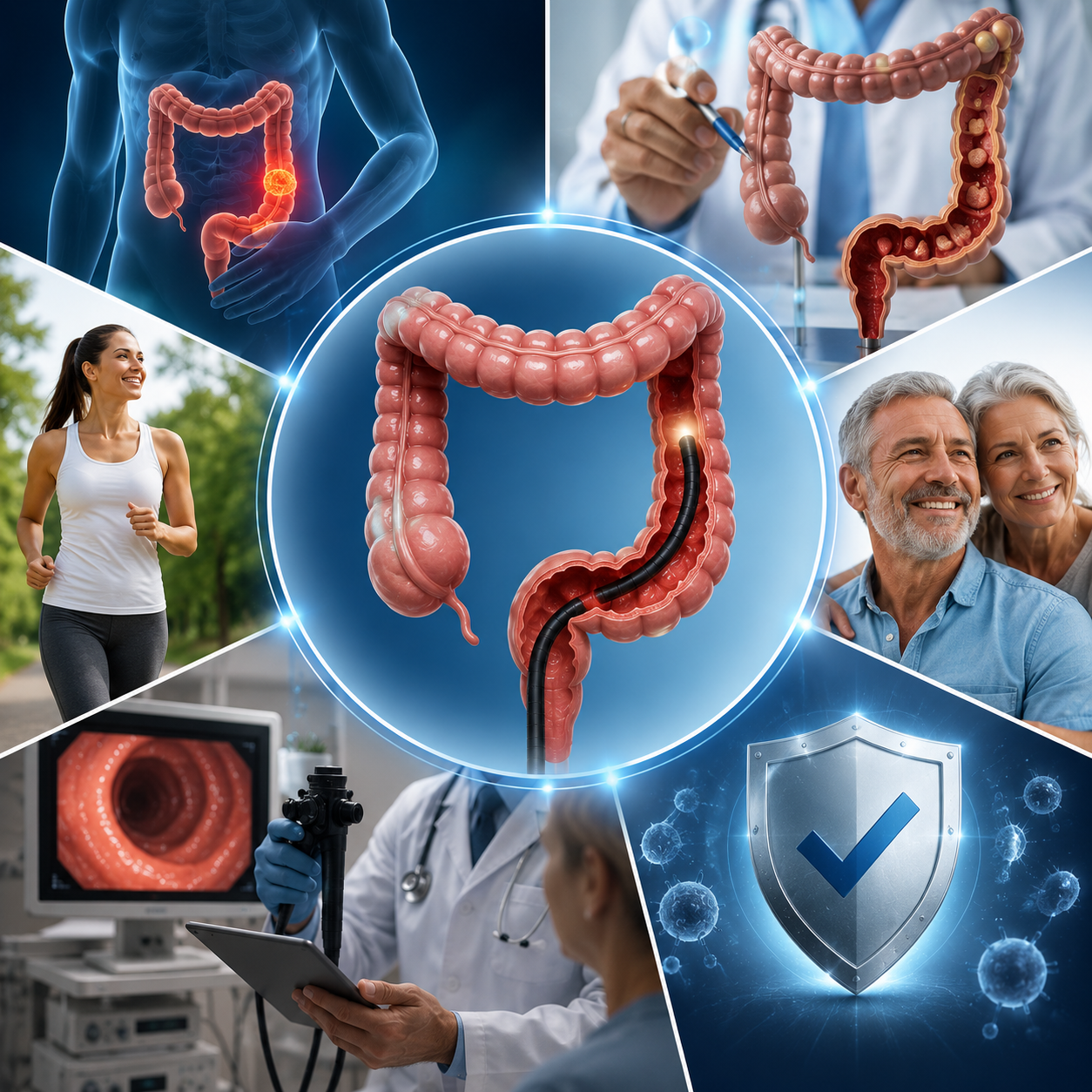
Large Bowel Resection in Frisco/Plano, TX, also known as a colectomy, is a surgical procedure used to remove diseased or cancerous sections of the large bowel.
The large bowel is also known as the large intestine or colon.
A large bowel resection involves the removal of the diseased or cancerous parts of your bowel and then reattaching the healthy parts together. It may also involve the total removal of your entire large bowel.
In cases where the entire large bowel is removed or part of the large bowel is surgically altered, a surgical procedure known as colostomy may be performed to allow for the evacuation of stool.
Colostomy involves creating an opening on your abdominal walls and attaching a bag over the opening to collect stool. An end of your small intestine or large intestine is then connected to the opening to allow for the evacuation of stool or waste products.
Colostomy may either be temporary or permanent. If the diseased or cancerous parts of your large bowel were removed and then the healthy parts reattached, it is done temporarily to allow the surgical site to heal.
However, if your entire large bowel was removed, a colostomy is done permanently for the evacuation of stool. A permanent colostomy is, however, required in very rare cases.
Purpose of Large Bowel Resection in Frisco/Plano, TX
The purpose of large bowel resection is to remove or cut off the diseased or cancerous part of the large bowel.
Your doctor may recommend a large bowel resection if you have conditions such as:
- Colon cancer
- Intestinal blockages that could be caused by scar tissue or tumors
- Diverticulitis
- Precancerous polyps
- Infection in your large bowel
- Bleeding in your intestines
- Abnormal twisting of the bowel
- Ulcerative colitis
- Intussusception (when a part of your intestine slides into another part of your intestine)
The procedure of large bowel resection in Frisco/Plano, TX
During the procedure, you will be given general anesthesia before the surgery begins. Large Bowel Resection in Frisco/Plano, TX may be performed using either a laparoscopic or open surgical approach, depending on the condition being treated and the surgeon’s assessment. The general anesthesia will keep you asleep and unconscious throughout the surgery.
Your surgeon may decide to perform a laparoscopic or open colectomy
If your surgeon decides to perform a laparoscopic colectomy, he or she will create tiny incisions on your abdomen. He or she will then direct a laparoscope attached with a tiny camera to view your large intestine or bowel to know the diseased or cancerous part.
Your surgeon will then use certain instruments to cut off the diseased or cancerous part. The remaining healthy parts will then be attached together.
If your surgeon decides to perform an open colectomy, he or she will make a large incision to see your bowel directly. There will be no need for a laparoscope or camera. Your surgeon will then cut off the diseased or cancerous part and reattach the healthy parts. This procedure is more invasive than laparoscopic colectomy.
Your surgeon may also perform a colostomy to allow for the evacuation of stool during recovery. When completed, the incisions will be stitched.
Risks of Large Bowel Resection
Just like every other surgical procedure, large bowel resection surgery carries some risks. These risks include:
- Infection
- Bleeding at the surgical site
- Bleeding at the incision site
- Heart attack or stroke
- Blood clots
- Difficulty breathing
- Allergic reactions to the anesthesia used
- Pneumonia
- Damage to the bladder or nearby organs
- Scar tissue
- Incision hernia
Is a colon resection a major surgery?
Colon resection is a major surgery that involves the removal of parts or the entire colon. You may need to remain in the hospital for days before going back home.
How long does it take to recover from bowel resection surgery?
Recovery after Large Bowel Resection in Frisco/Plano, TX varies depending on the type of surgery, your overall health, and whether complications occur.
It could take about 4 weeks to recover from bowel resection surgery in Frisco/Plano, TX. The first and second week is the most critical part of recovery.
During this time, you will be allowed to take only liquids to allow your bowel to heal. As the week goes by, you can then gradually transition into taking semi-solids and then solid foods in the fourth week when your bowel must have fully recovered.
Can you live without your large bowel?
Yes, you can live without your large bowel. The primary role of the large bowel or intestine is to absorb and accumulate waste products for evacuation.
It plays little role in metabolism and people can live their lives without it. When the large bowel is removed, a new route is created for the evacuation of waste products or stool. A surgical procedure known as colostomy is performed for the evacuation of stool.
Is bowel resection surgery dangerous?
Though bowel resection surgery is beneficial for people with diseased or cancerous large bowel, there are certain risks and complications that can occur. Risks and complications can be greatly minimized if the surgery is performed by a highly-skilled surgeon that has performed many previous successful procedures.
How painful is colon resection surgery?
You will be given general anesthesia to make you sleep throughout the surgery so that you don’t feel pain. After the surgery and when the effect of the anesthesia has worn off, you may start to feel pain.
You may be given pain medications that you will be taking to help relieve pain. The pain may come and go for the next few days after the surgery. You will likely feel better in a week or 2-weeks time.
How do you poop after a Bowel Resection?
Your surgeon may perform a colostomy to allow for the evacuation of stool until you recover. If this is not needed, your surgeon may recommend taking fiber for constipation with a large volume of water to soften your stool for easy passage.
What can I expect after bowel resection surgery?
You may feel pain and irregular bowel movements for days to a few weeks. You may need to stay in the hospital for about 2 to seven days so that your doctor can monitor you. You may also see blood in your stool. During the first few days, you will be allowed to only drink liquids.
You will probably be back to normal in 2-4 weeks. Do not engage in strenuous activities or lift heavy objects during your recovery. You can take some walks and engage in regular less-strenuous activities. You will be given instructions on how to care for your wound.
How many hours does a colon resection surgery take?
A colon resection surgery could take up to 4 hours to be completed.
What foods should you avoid after Bowel Resection?
After a bowel resection surgery, you will need to take only liquids in the first few days. You will gradually transition into eating soft foods that are easy to swallow and digest.
You will need to avoid foods that are difficult to digest. The foods that you should avoid include tough meats, bread, nuts, seeds, chunky peanut butter, undercooked meats, uncooked fish, fried foods, fast foods, beans, peas, hot dogs, sausage, strong-flavored cheeses, coconut, raisins, and desserts with nuts.
Discuss Large Bowel Resection in Frisco/Plano, TX With Dr. Adnan S. Badr
If you have been diagnosed with a condition affecting the colon or have been told that bowel surgery may be necessary, understanding the diagnosis and next steps is important before treatment begins.
Dr. Adnan S. Badr is a board-certified gastroenterologist serving patients in Frisco, Plano, and North Texas. He has more than 25 years of experience evaluating digestive disorders, colon abnormalities, polyps, colorectal cancer risk, inflammatory bowel disease, and other conditions that may affect the large intestine.
Dr. Badr can review your symptoms, imaging, colonoscopy findings, and medical history and help coordinate care with the appropriate colorectal or surgical specialist when surgery is indicated.
Call (972) 514-3530 or request an appointment with Dr. Adnan S. Badr in Frisco/Plano, TX, to discuss your digestive health and treatment options.