Colonoscopy Aftercare in Frisco/ Plano, Tx
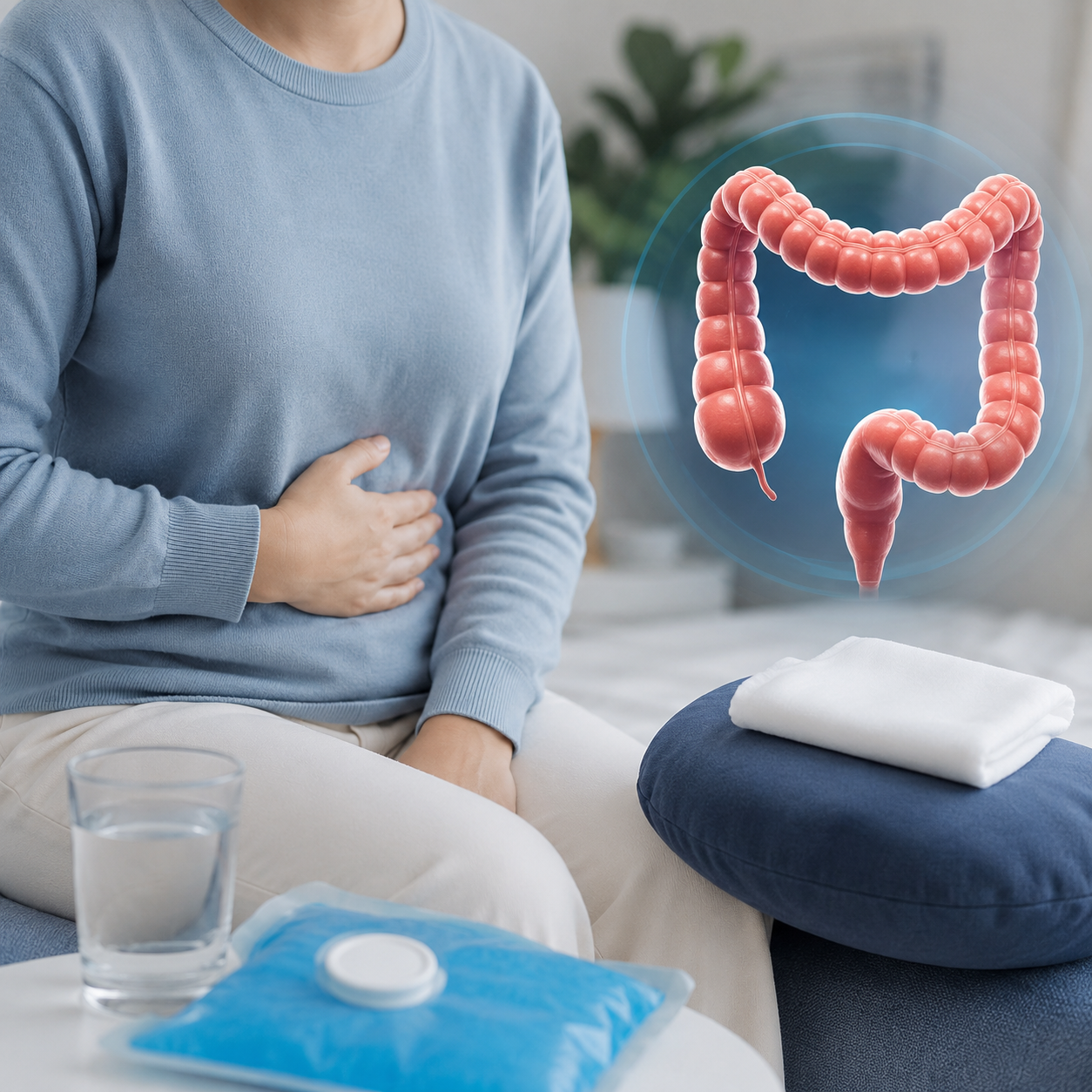
Colonoscopy aftercare begins once the procedure is complete and may include recovery from sedation, monitoring for symptoms, reviewing results, and following instructions from your healthcare provider.
This procedure is important in detecting and preventing colon cancer, which is the third most common cancer worldwide.

Proper colonoscopy aftercare is important for recovery, understanding your results, and knowing whether additional testing or surveillance may be needed.
Why is Follow-Up Care After Colonoscopy Important?
Understanding what to expect after a colonoscopy can make recovery easier, especially when it comes to sedation, temporary bloating, activity restrictions, and knowing which symptoms should be reported.
In some cases, patients may also experience bleeding, perforation, or infection. Therefore, it is important to monitor patients after the colonoscopy procedure to ensure their safety and well-being.
Moreover, the effectiveness depends on the quality of the procedure and the accuracy of the results. It can miss some polyps or lesions, especially if they are small or located at the far end of the colon.
In addition, some polyps may grow back after they have been removed, and some lesions may develop into cancer over time. Therefore, it is important to follow up with patients to detect any missed or recurring abnormalities and to provide timely treatment.
What Does Follow-Up Care After Colonoscopy Entail?
Follow-up care involves several aspects, including monitoring, surveillance, and treatment.
Monitoring
As part of colonoscopy aftercare, patients are monitored for a period of time to make sure they recover appropriately from sedation and do not develop immediate complications such as significant bleeding or severe pain.
Patients may also be advised to avoid certain activities, such as driving or operating machinery, for some time, depending on the type of sedation used and their response.
Surveillance
Follow-up care after colonoscopy may include surveillance to monitor previously detected polyps, abnormal findings, or patients with an increased colorectal cancer risk. The frequency and type of surveillance depend on several factors, such as the patient’s age, medical history, and family history.
For example, patients with a history of polyps or cancer may require more frequent surveillance than those with no abnormalities. Surveillance may involve repeating colonoscopies, stool tests, blood tests, or imaging studies.
Treatment
If any abnormalities are detected during follow-up care, patients may require treatment, such as polyp removal or biopsy. The type of treatment depends on the size, location, and nature of the abnormality.
Some abnormalities may require surgery or other advanced procedures, while others may be managed with medication or lifestyle changes.
The Role of the Patient in Follow-Up Care After Colonoscopy
Follow-up care is a collaborative effort between the patient and the healthcare team. Patients also play an important role in colonoscopy aftercare by following recovery instructions, attending scheduled appointments, reporting concerning symptoms, and completing recommended surveillance.
Here are some tips for patients to consider:
Follow the instructions
Patients should follow the instructions provided by the healthcare team, such as diet restrictions, medication changes, and activity limitations. Failure to follow these instructions may lead to complications or inaccurate results.
Keep the appointments
Patients should attend all scheduled appointments for surveillance and treatment. Missing appointments may delay the detection and treatment of abnormalities, which can increase the risk of complications and poor outcomes.
Report symptoms
Patients should report any symptoms or changes they experience after the procedure, such as bleeding, pain, or bowel habit changes. These symptoms may indicate complications or the recurrence of abnormalities.
Maintain a healthy lifestyle
Patients can reduce their risk of developing colon cancer by maintaining a healthy lifestyle, such as eating a balanced diet, exercising regularly, and avoiding smoking and excessive alcohol consumption.
Adherence to surveillance guidelines
It is important to follow the surveillance guidelines recommended by the healthcare provider based on the findings of the colon.
For example, if detected small polyps, the patient may be advised to undergo another procedure in three to five years. If detected larger polyps or cancer, the patient may require more frequent surveillance or additional imaging tests.
Medication management
Patients who take medications, such as blood thinners or aspirin, may need to adjust their dosage or temporarily stop taking the medication before the colonoscopy. After the procedure, the healthcare provider may advise the patient on when to resume taking the medication and at what dosage.
Nutritional counseling
Patients may be advised to follow a specific diet before and after the colon procedure.
For example, they may be instructed to consume clear liquids only for a certain period before the procedure and to avoid foods that are difficult to digest after the procedure. Nutritional counseling can help patients to manage their symptoms and reduce the risk of complications.
Communication with a primary care provider
The healthcare provider who performed the procedure may communicate the findings with the patient’s primary care provider or other specialists involved in the patient’s care. This can ensure that the patient receives coordinated and comprehensive care and that any necessary follow-up tests or treatments are ordered.
Emotional support
Patients may experience anxiety, fear, or other emotional reactions after the lower gastrointestinal endoscopy, especially if the results are abnormal.
Healthcare providers can offer emotional support and counseling to help patients cope with the diagnosis and the implications for their health. This can also help to improve the patient’s adherence to follow-up care and treatment.
Conclusion
Follow-up care after colonoscopy is an important part of recovery and ongoing digestive care, particularly when polyps, abnormal findings, or future surveillance are involved. Follow-up care involves monitoring, surveillance, and treatment, and it depends on several factors, such as the patient’s medical history and the findings of the colonoscopy in Frisco/ Plano, Tx.
Patients play an important role in follow-up care by following instructions, attending appointments, reporting symptoms, and maintaining a healthy lifestyle. By working together, patients and healthcare providers can detect and prevent colon cancer and provide timely treatment for any abnormalities that may arise.
Therefore, it is crucial to prioritize follow-up care to make it an integral part of the overall healthcare plan.
FAQs
How long should I wait before scheduling my next colonoscopy?
The recommended time interval between colonoscopies depends on several factors, such as the patient’s age, medical history, family history, and the findings of the previous lower gastrointestinal endoscopy. The healthcare provider will provide specific instructions based on these factors.
What should I do if I experience pain or bleeding after the lower gastrointestinal endoscopy?
Patients should report any symptoms or changes they experience after the procedure, such as pain, bleeding, or bowel habit changes. The healthcare provider will assess the symptoms and provide appropriate treatment or follow-up care if necessary.
What to Expect After a Colonoscopy Before Returning to Normal Activities?
Patients may need to avoid certain activities, such as driving or operating machinery, for some time, depending on the type of sedation used and their response. The healthcare provider will provide specific instructions based on the patient’s condition and the procedure.
Do I need to fast before the follow-up of the lower gastrointestinal endoscopy?
The fasting requirements for a follow-up depend on several factors, such as the timing and type of the previous lower gastrointestinal endoscopy, the patient’s medical history, and the findings of the previous colonoscopy. The healthcare provider will provide specific instructions based on these factors.
What is the risk or complications during Colonoscopy Aftercare?
The risk of complications during a follow-up is generally low, but it depends on several factors, such as the patient’s age, medical history, and type of procedure. The healthcare provider will discuss the risks and benefits of the procedure with the patient before scheduling it.
How often should I have a colonoscopy if I have a family history of colon cancer?
Patients with a family history of colon cancer may need to undergo this procedure at an earlier age or more frequently than those with no family history. The healthcare provider will provide specific instructions based on the patient’s family history and individual risk factors.
Can I take medication before the follow-up colonoscopy?
Patients should consult with their healthcare provider about which medications they should stop taking before the follow-up lower gastrointestinal endoscopy. Certain medications, such as blood thinners, may need to be temporarily stopped before the procedure.
Is it normal to have discomfort or bloating after a colonoscopy?
It is common to experience some discomfort or bloating after a colonoscopy in Frisco/Plano, Tx, but these symptoms should improve within a few hours. Patients should contact their healthcare provider if the symptoms persist or worsen.
What happens if abnormalities are detected during the follow-up of lower gastrointestinal endoscopy?
If abnormalities are detected the healthcare provider may recommend additional tests or treatments, such as biopsy or polyp removal. The type of treatment depends on the nature and severity of the abnormality.
Can I prevent the need for Colonoscopy Aftercare?
The need for a follow-up depends on several factors, such as the patient’s age, medical history, family history, and the findings of the previous lower gastrointestinal endoscopy.
Patients can reduce their risk of developing colon cancer by maintaining a healthy lifestyle, such as eating a balanced diet, exercising regularly, and avoiding smoking and excessive alcohol consumption.
Dr. Adnan Badr MD is the Best doctor to Get a Colonoscopy in Frisco/ Plano, TX
If you’re looking for the best doctor to perform your colonoscopy in Frisco/ Plano, TX, look no further than Dr Badr MD.
Dr. Adnan Badr MD is a highly skilled gastroenterologist with years of experience in performing colonoscopies and other diagnostic procedures. He is dedicated to providing the highest quality of care to his patients and ensuring their safety, comfort, and well-being.
Dr. Badr uses the latest technology and techniques to perform colonoscopies with precision and accuracy, and he works closely with his patients to develop individualized treatment plans. If you need a colonoscopy in Frisco/ Plano, TX, schedule an appointment with Dr. Adnan Badr MD today.